
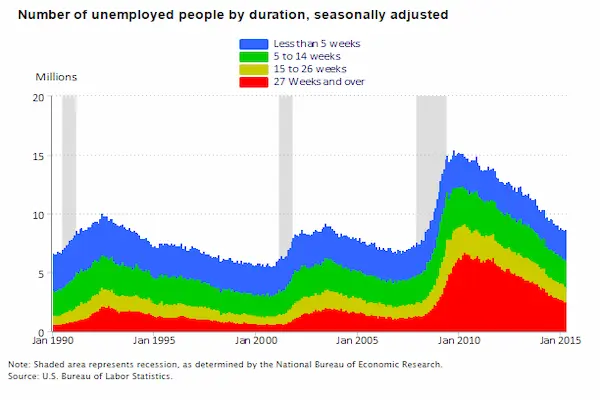
Trying to understand what is really happening in the job market can feel overwhelming, especially when headlines change quickly, opinions conflict, and social media discussions often exaggerate either optimism or pessimism without showing where the information actually comes from.
For professionals who want to make calmer, data-informed decisions about their careers, learning how to use BLS data can be extremely valuable, because it offers an official, consistent, and methodical view of employment, unemployment, wages, occupations, and long-term labor market trends.
Many people have heard of the Bureau of Labor Statistics, but few know how to actually read its numbers, understand what each dataset represents, or avoid common misinterpretations that can lead to unnecessary anxiety or false confidence.
This complete guide was created to walk you through BLS data step by step, using clear language and practical explanations, so you can locate key datasets, interpret them correctly, and apply insights to your own career planning without needing an economics background.
The objective of this article is not to turn you into a labor economist, but to give you enough understanding to spot trends, ask better questions, and make more grounded decisions about job searches, skill development, and industry direction.
What Is BLS Data and Why It Matters
The Bureau of Labor Statistics collects and publishes a wide range of data about employment, wages, productivity, inflation, and occupations, which makes it one of the most reliable sources for understanding how the labor market behaves over time.
Unlike opinion-based articles, BLS statistics follow standardized methods and are updated regularly, allowing professionals to track changes rather than rely on isolated stories.
Why Professionals Use BLS Statistics
- To understand employment and unemployment trends.
- To compare occupations objectively.
- To assess long-term market movement.
- To support career and education decisions.
Data provides context when emotions run high.
Understanding the Purpose of Labor Market Data
Labor market data exists to describe patterns, not to predict individual outcomes, which is an important distinction for anyone using it to guide career decisions.
BLS data shows what is happening across millions of workers and employers, meaning it works best when used to understand direction and scale rather than personal guarantees.
What BLS Data Can Help You Do
- Identify growing or shrinking occupations.
- Understand wage ranges.
- Observe unemployment cycles.
What BLS Data Cannot Do
- Predict your individual job offer.
- Guarantee future demand.
- Replace local or personal context.
Using data responsibly requires understanding its limits.
Key Types of BLS Datasets You Should Know
The Bureau of Labor Statistics publishes many datasets, but you do not need to read all of them to gain useful insights.
Focusing on a few core areas is enough for most professionals.
Main BLS Dataset Categories
- Employment and unemployment.
- Occupational data.
- Wages and earnings.
- Industry trends.
Each category answers different questions.
Employment and Unemployment Data Explained
Employment and unemployment statistics are often the most cited BLS numbers, especially during economic uncertainty.
Understanding how these figures are defined helps avoid misinterpretation.
What the Unemployment Rate Represents
The unemployment rate measures the percentage of people actively looking for work who do not currently have a job, which means it does not include everyone who is not working.
Key Points About the Unemployment Rate
- It excludes people not seeking work.
- It changes with labor force participation.
- It reflects trends, not individual difficulty.
This nuance is often missed in headlines.
Labor Force Participation and Why It Matters
Labor force participation measures how many people are working or actively seeking work compared to the total population, which adds important context to unemployment figures.
Why Participation Rate Is Important
- It shows engagement with the job market.
- It explains changes in unemployment.
Looking at both metrics together gives a clearer picture.
Occupational Outlook Data: Seeing the Bigger Picture
Occupational outlook data helps professionals understand how different jobs are expected to change over time, based on factors like technology, demographics, and economic structure.
This data is particularly useful when considering long-term career paths.
What Occupational Outlook Data Includes
- Projected job growth or decline.
- Typical education requirements.
- Median pay information.
Projections describe trends, not certainty.
How to Read Occupational Growth Percentages
Growth percentages show relative change, not total job numbers, which can be confusing without context.
How to Interpret Growth Figures
- High percentage growth may start from a small base.
- Lower growth may still represent many jobs.
Always consider absolute scale.
Wage and Earnings Data: Understanding Pay Trends
BLS wage data provides median and percentile earnings, which helps professionals understand typical pay rather than extreme examples.
Why Median Pay Is Useful
- It represents the middle worker.
- It avoids distortion from extremes.
Median is often more realistic than averages.
How to Use Wage Data Carefully
- Compare across occupations.
- Adjust expectations for location.
Local context always matters.
Industry Data: Seeing Where Jobs Are Concentrated
Industry data shows how employment is distributed across sectors, helping identify where demand is rising or falling.
Questions Industry Data Can Answer
- Which sectors are expanding?
- Which industries are shrinking?
Industry trends influence job availability.
How to Combine Different BLS Datasets
Using one dataset alone can be misleading, but combining several creates a more accurate picture.
Example of Combined Analysis
- Occupational growth plus wage data.
- Industry growth plus unemployment trends.
Combination reduces blind spots.
Step-by-Step Workflow to Use BLS Data
A simple workflow makes BLS data easier to use consistently.
Step 1: Define Your Question
- Am I exploring a career change?
- Am I assessing stability?
Step 2: Select Relevant Datasets
- Occupational outlook.
- Employment trends.
Step 3: Read Trends Over Time
- Focus on direction.
- Avoid single-month changes.
Step 4: Add Personal Context
- Skills.
- Location.
Data informs, it does not decide.
Understanding Short-Term Versus Long-Term Trends
Short-term fluctuations can be noisy, while long-term trends are more useful for career planning.
How to Distinguish Them
- Look at multi-year charts.
- Ignore one-month spikes.
Patience improves interpretation.
Common Misunderstandings When Using BLS Statistics
Misunderstanding 1: Assuming Growth Means Easy Jobs
Competition can still be high.
Misunderstanding 2: Ignoring Regional Differences
National data averages local realities.
Misunderstanding 3: Treating Projections as Guarantees
Projections are informed estimates.
Using BLS Data for Career Exploration
BLS data is especially useful when comparing multiple career options.
Career Comparison Checklist
- Projected growth.
- Typical pay.
- Education requirements.
This supports rational comparison.
Using BLS Data During Job Transitions
Professionals considering change can use BLS data to reduce uncertainty.
Helpful Questions During Transitions
- Is my field shrinking or evolving?
- Which adjacent roles are growing?
Transitions benefit from evidence.
How BLS Data Fits Into a Broader Research Strategy
BLS data works best when combined with other sources.
Complementary Research Areas
- Job postings.
- Employer trends.
- Skill demand signals.
Multiple perspectives strengthen conclusions.
Creating a Simple BLS Research Note
Writing down insights helps clarify thinking.
Suggested Note Structure
- Question being explored.
- Key datasets reviewed.
- Main trends observed.
- Personal implications.
Notes prevent information overload.
Caveats Checklist: Using BLS Data Responsibly
Before Drawing Conclusions
- Check time range.
- Confirm definitions.
- Consider regional differences.
Before Making Decisions
- Combine with personal goals.
- Avoid single-data decisions.
Caution improves outcomes.
Practice Exercise: Analyze One Occupation
Exercise Steps
- Choose an occupation.
- Review growth projection.
- Check wage data.
- Reflect on fit.
Practice builds confidence.
Frequently Asked Questions About How to Use BLS Data
Is BLS data hard to understand?
It becomes easier with practice.
How often is BLS data updated?
Many datasets are updated monthly or annually.
Can BLS data help me choose skills to learn?
It helps identify trends, not exact skills.
Final Thoughts and a Practical Next Step
Learning how to use BLS data empowers you to step back from headlines and opinions, replacing uncertainty with evidence-based understanding of labor market movement and occupational trends.
When you approach employment data with a step-by-step method, interpret numbers carefully, and combine insights with your own goals and context, you gain a calmer and more strategic view of your career options.
Could you choose one occupation or industry you are curious about, review its employment and outlook data, and write a short research note using the structure from this guide to practice data-informed thinking?